
Residential Security
Residential Security Systems
Protecting Your Home with the Right Residential Security System
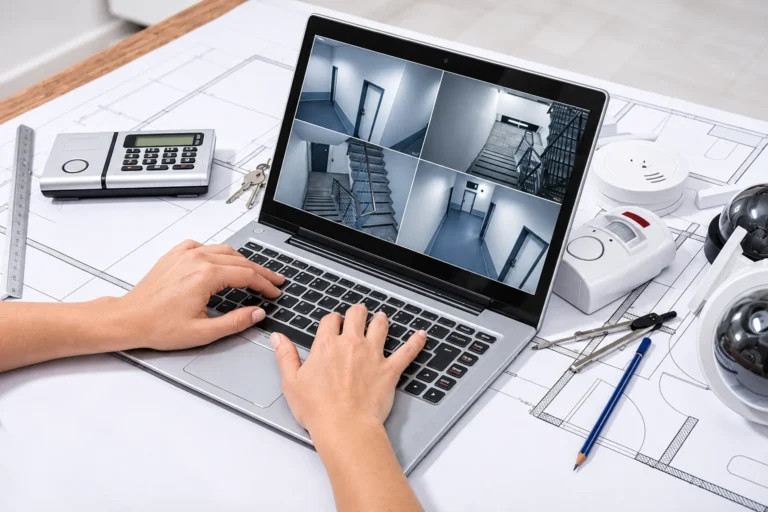
Understanding Your Home's Security Requirements
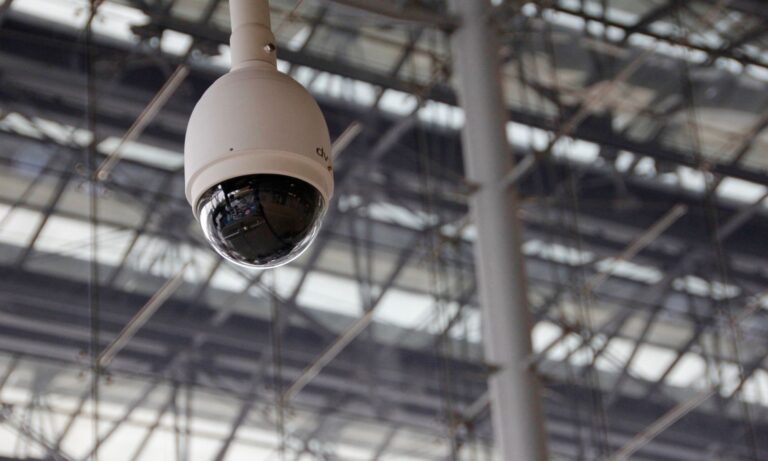
Residential Security for Rural and Regional Properties
What Do Residential Security Systems Include?
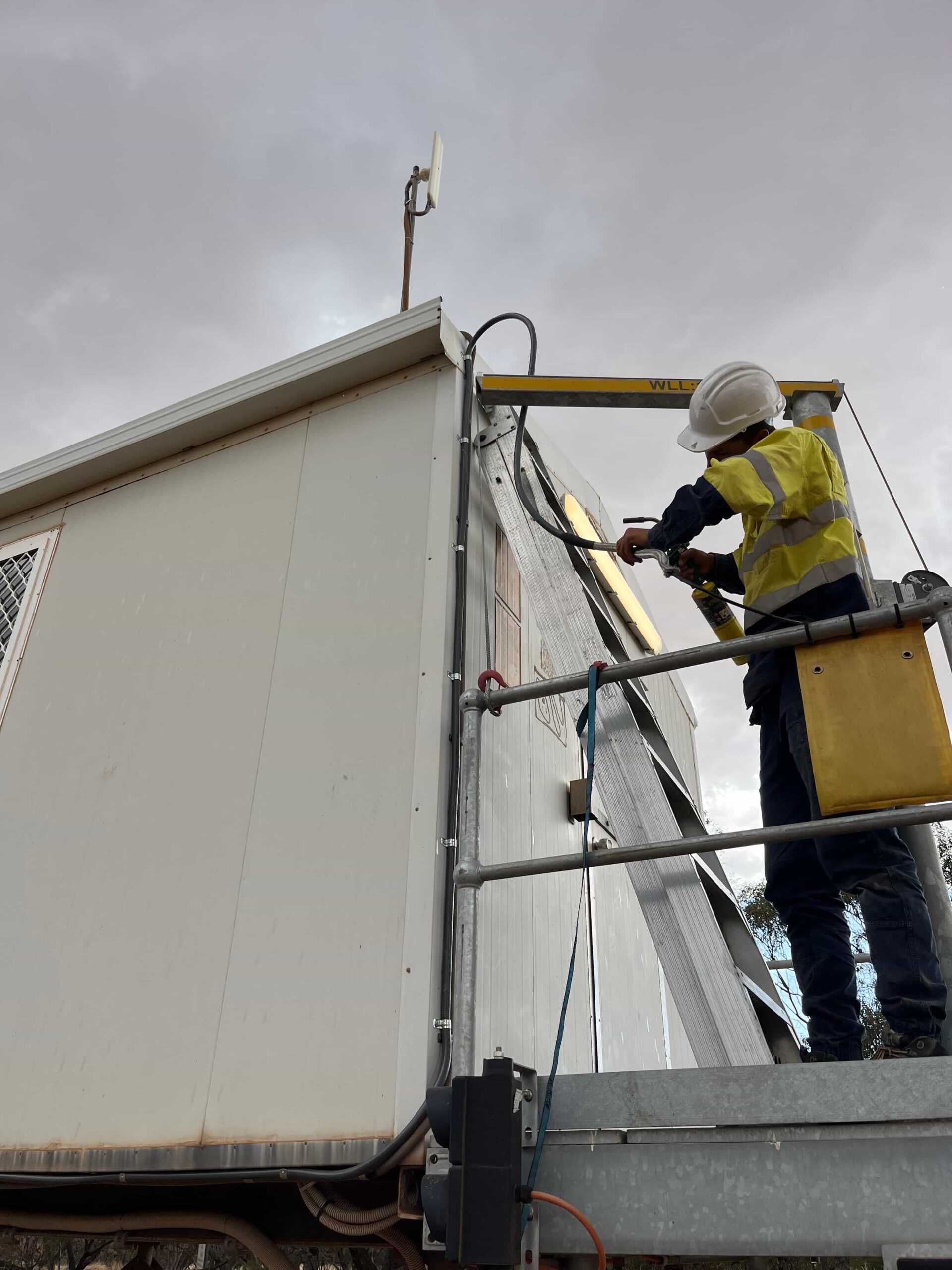
Effective home security systems combine different technologies and types of security working together to protect a property. These can include:
- CCTV Cameras and Video Surveillance
- Intruder Alarm and Motion Detection Systems
- Perimeter Security and Outdoor Monitoring
- Access Control and Secure Entry Systems
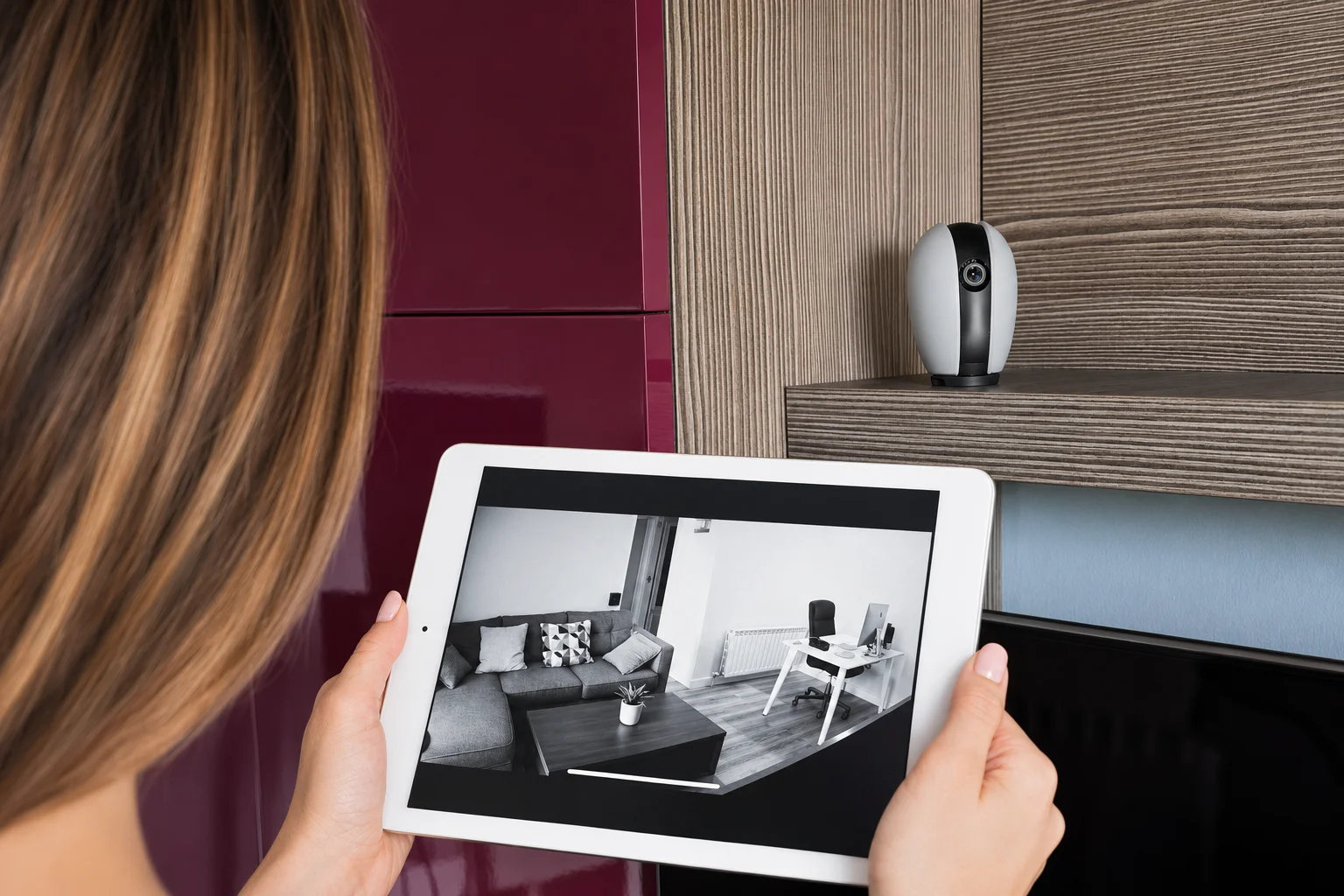
- Remote Monitoring and Mobile Security Access
- Wireless Communications and Network Connectivity
Common Residential Security Risks and How to Address Them
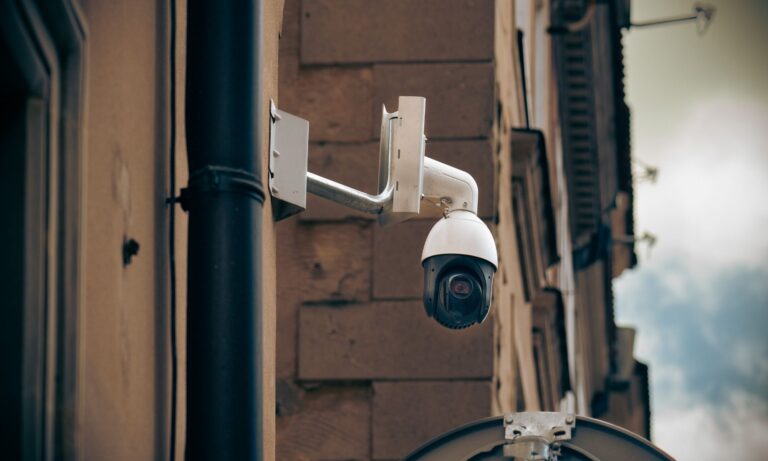
Break-Ins and Unauthorised Property Access
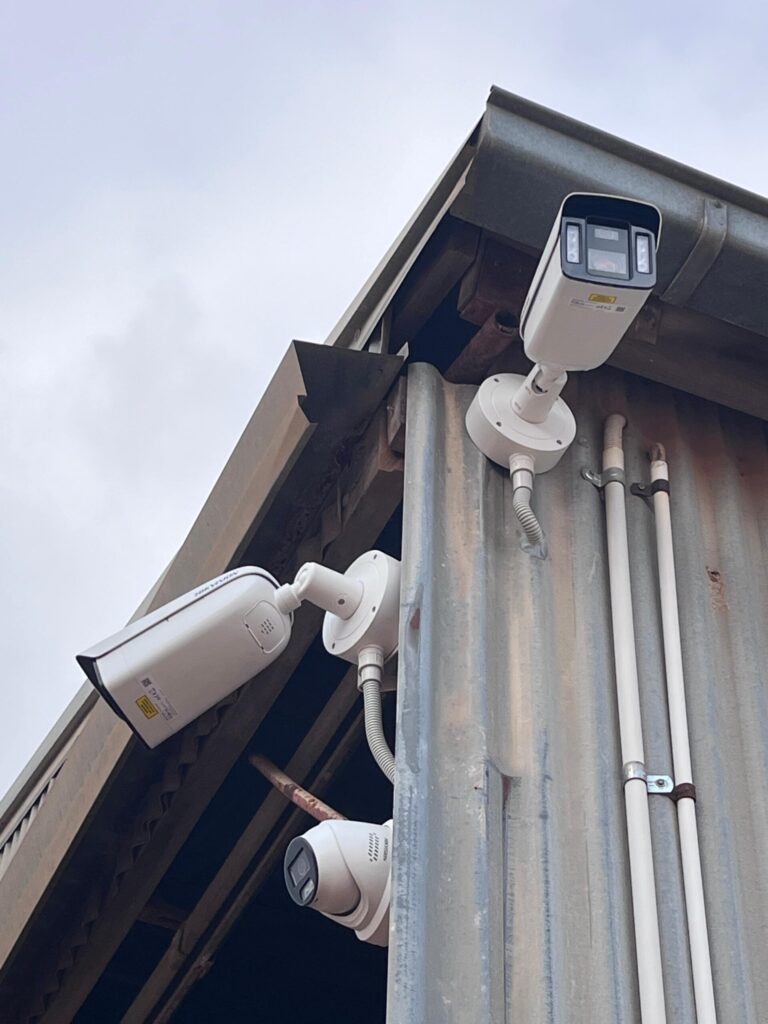
Blind Spots Around Entrances, Garages and Outdoor Areas
Residential security systems can help monitor blind spots around entrances, garages, driveways and outdoor areas through appropriate camera positioning, intrusion detection and AI-assisted person or vehicle detection where suitable.
Systems can also provide recording, remote viewing and alerts so authorised users can check activity when required.
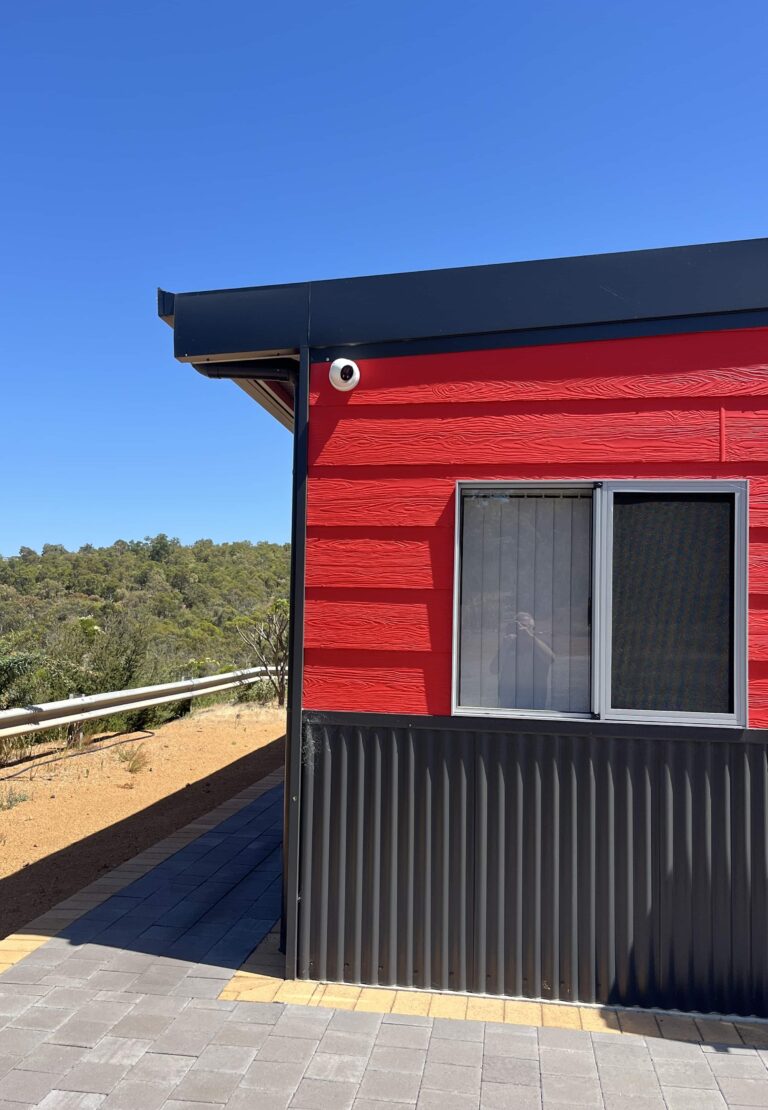
Unsecured Sheds, Outbuildings and Rural Properties
Residential security systems that need to protect sheds or outbuildings may combine wireless network extensions with perimeter detection and mobile alerts, helping connect remote structures with the main residence.
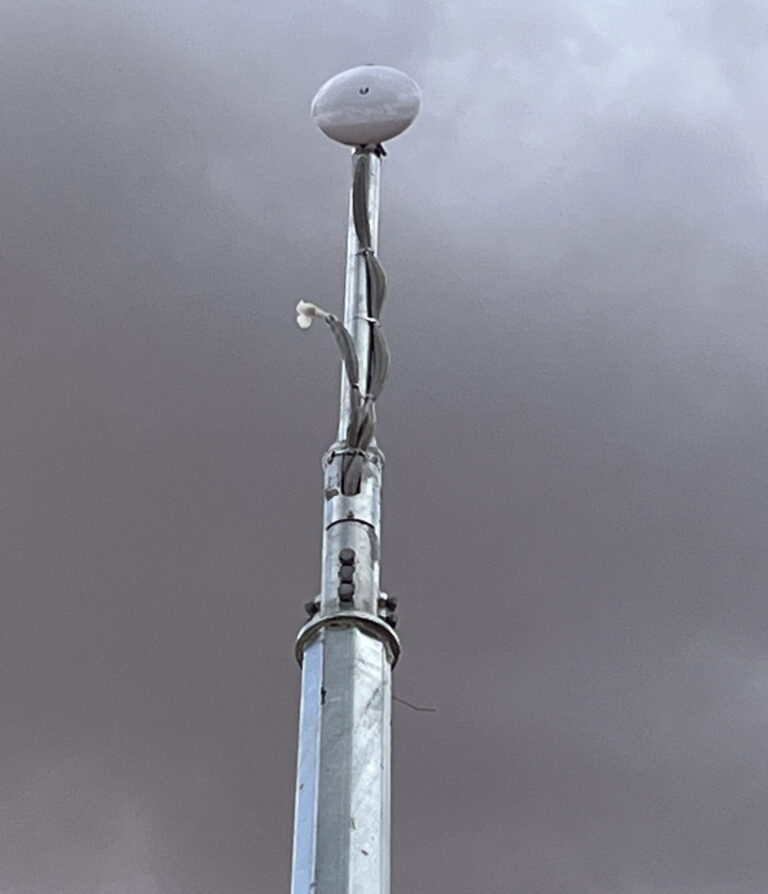
Security Challenges in Remote Areas with Limited Connectivity
Limited connectivity is a real challenge for residential properties in remote and rural WA. 100 Solutions has extensive experience designing communications and network infrastructure as the foundation of security system installations and working with the challenges of rural WA, including large distances and limited connectivity.
Depending on the property, suitable options may include wireless point-to-point links, 4G/5G connectivity, local recording, standalone equipment or other communications infrastructure. The right approach depends on distance, existing infrastructure and coverage requirements.
Choosing the Right Residential Security Solutions for Your Home

Wired vs Wireless Home Security Systems
Wired security systems use physical cabling to connect cameras, sensors and other equipment, while wireless systems use technologies such as Wi-Fi or other wireless communications to transmit data. Neither approach is automatically better for every property.
The appropriate option depends on the property’s layout, existing infrastructure, distances between buildings, connectivity, power availability and future expansion requirements. In some rural properties, a combination of wired and wireless infrastructure may provide the most practical solution.

CCTV Surveillance vs Intruder Alarm Systems
CCTV and intrusion detection perform different roles and can work together as part of an integrated residential security system. CCTV provides visibility and recorded footage across priority areas, while alarms and intrusion sensors are designed to detect defined security events and generate alerts.
Depending on the property and equipment selected, cameras, sensors, recording and remote access can be designed as parts of one system rather than operating independently.
Standalone vs Integrated Residential Security Systems
Standalone equipment can operate independently and may suit straightforward monitoring requirements. An integrated residential security system can bring cameras, sensors, alarms, recording, remote access and communications infrastructure together so the components are designed to work as part of the same overall solution.
The right approach depends on the property’s risks, layout, existing infrastructure and the level of monitoring required.

Choosing Security Systems for Rural and Regional Homes
At 100 Solutions, we don’t install generic security packages. We assess each property’s layout, risks, connectivity and available infrastructure before recommending a system. Installation requirements, future expansion, ongoing support and ease of use can all form part of the decision.
How Much Does Residential Security System Installation Cost?
Because no two homes or rural properties are the same, there’s no single price point for a residential security system. The overall cost depends on the equipment selected, the complexity of the installation and the property’s requirements.
When designing a security system and creating a detailed quote, we’ll look at factors such as:
- Additional features, monitoring and ongoing maintenance
- Existing network infrastructure and connectivity requirements
- Recording and remote-access requirements
- Number and type of security cameras or devices
- Size and layout of your property
- Wired vs wireless installation requirements
Why Choose 100 Solutions for Your Residential Security?
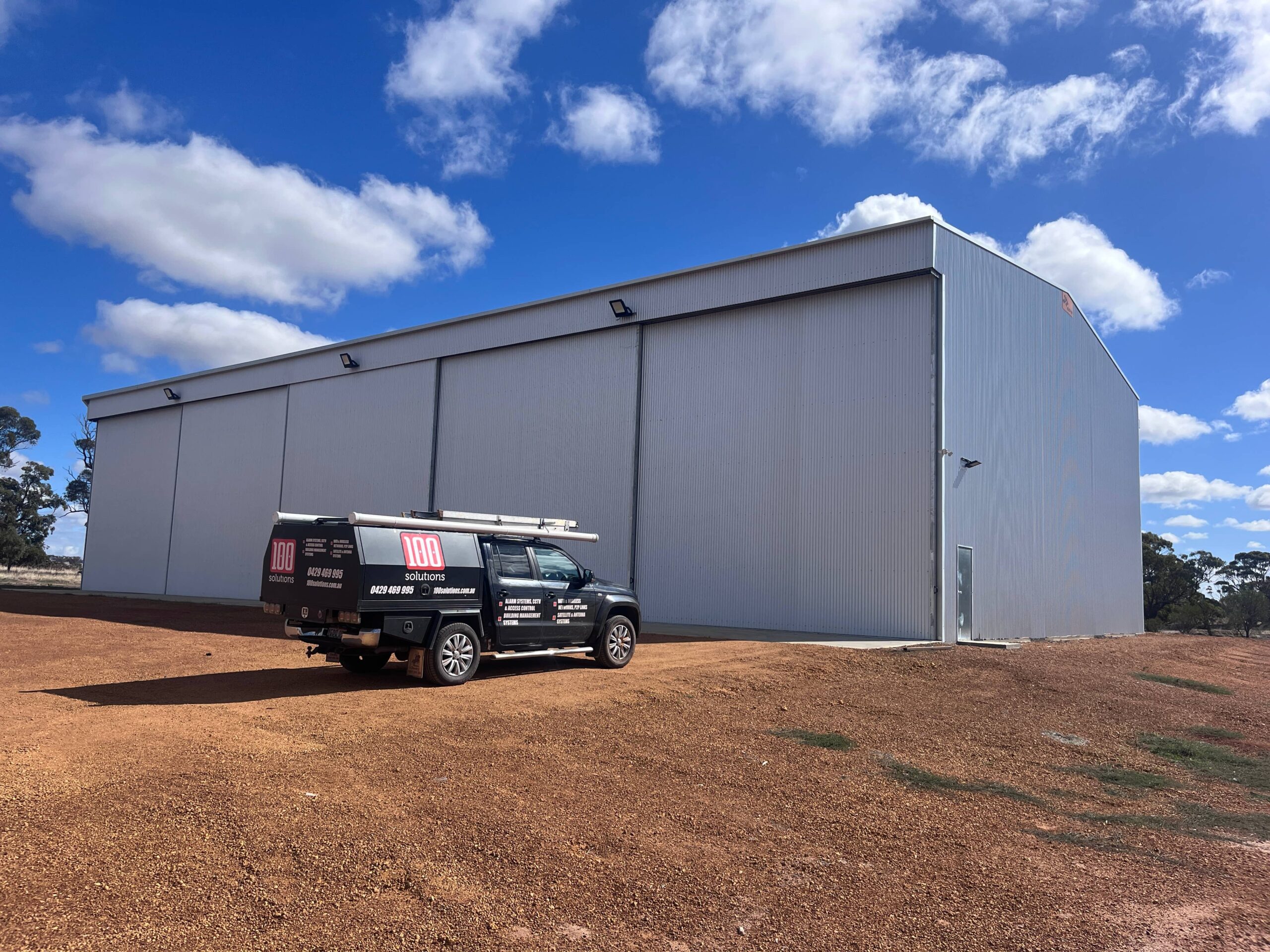
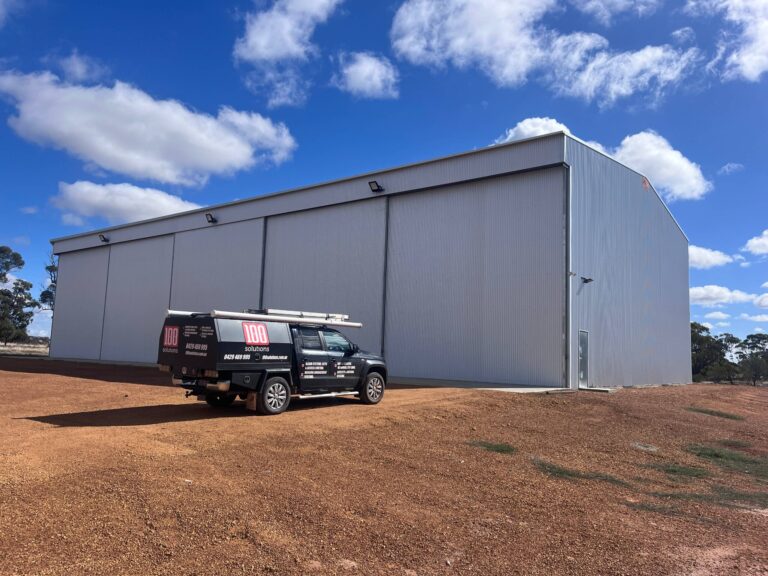
100 Solutions operates under WA Security Licence 84891 and specialises in solving complex security and communications challenges across regional and rural Western Australia.
- 45+ years of combined business and technical experience
- More than 20 years of technical experience
- WA Security Licence 84891
- Tailored residential security solutions
- Specialist knowledge of regional and rural WA
- Integrated security, communications and networking expertise
- Ongoing technical support
Our Residential Security System Installation Process
1
Initial Consultation and Security Requirements
2
Property Assessment and Identification of Security Risks, Where Appropriate
3
Custom System Design and Quotation
4
Professional Installation and Configuration
5
System Testing, Handover and Ongoing Support
Other Industries We Cover
100 Solutions also designs tailored security and communications systems for farms and agricultural properties, businesses and commercial and industrial sites across Western Australia.
Frequently Asked Questions About Residential Security Systems
What is the best security system for a residential property?
How many CCTV cameras do I need to secure my home?
Can I monitor my home security system from my phone?
Do residential security systems work without an internet connection?
Some security functions can operate without a conventional internet connection, depending on the equipment and recording setup. Where remote access or alerts are required, suitable connectivity needs to be considered.
For regional properties, options may include wireless links, 4G/5G or other communications infrastructure.